

Our Lawn Care Blog
With over 57 years in business, our experts are here to answer any questions and educate you on anything related to lawn care.
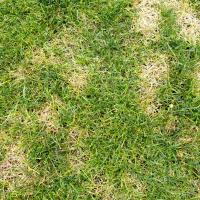
Lawn fungus develops when moisture, temperature, grass health, and other growing conditions allow fungal diseases to become active. This guide explains common signs of lawn fungus, what causes it, which diseases Pennsylvania homeowners may encounter, and how to help prevent recurring problems.
Lawn lime can help when soil is too acidic, but it should only be applied when a soil test shows that pH needs to be raised. This guide explains what lime does, signs your lawn may need it, how soil pH affects grass health, and when lime should be applied.
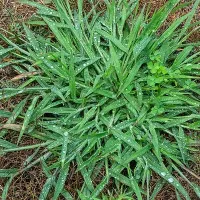
Crabgrass is a common summer annual weed that spreads through thin, sunny areas of Pennsylvania lawns and produces seed before dying in fall. This guide explains how to identify crabgrass, why it keeps coming back, when it germinates, and how to control and prevent it.
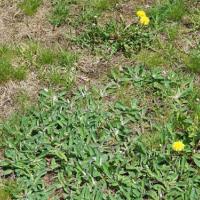
Pennsylvania lawns can develop a mix of grassy, broadleaf, and sedge-type weeds, and identifying them correctly is the first step toward effective control. This guide covers several of the most common lawn weeds in Pennsylvania, what they look like, and what their presence may indicate about lawn conditions.
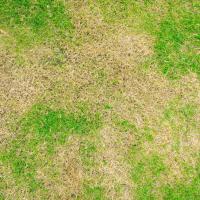
Yellow grass can be caused by improper watering, nutrient deficiencies, soil conditions, lawn disease, pests, mowing habits, and other forms of stress. This guide explains the most common causes of yellow grass, how to identify what may be wrong, and what can help your lawn recover.
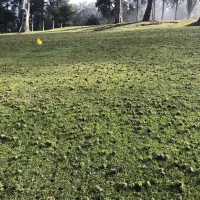
Lawn aeration helps reduce soil compaction and gives water, air, and nutrients better access to the root zone. Timing aeration during an active growing period can help the grass recover and make the most of the treatment.
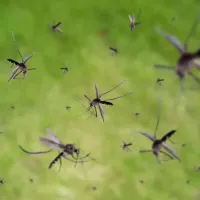
Mosquitoes are drawn to yards that provide water, shelter, and suitable places to rest and reproduce. Identifying and reducing these conditions can make your property less inviting to mosquitoes throughout the warmer months.
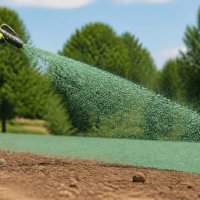
Hydroseeding is a method of establishing grass by spraying a mixture of seed, water, mulch, and other materials over prepared soil. It can offer even coverage, help retain moisture, and provide an efficient option for starting a new lawn.
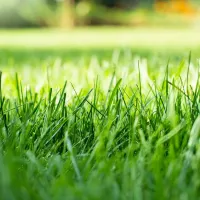
Grass plants rely on strong root systems. Early spring is when roots begin waking up and absorbing nutrients again. If soil conditions are poor, debris is blocking sunlight, or weeds get a head start, your lawn will struggle all season.
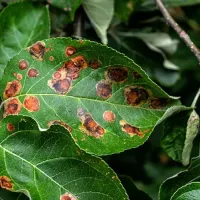
Healthy trees and shrubs do more than frame your home; they boost property value, enhance curb appeal, and anchor your entire landscape.
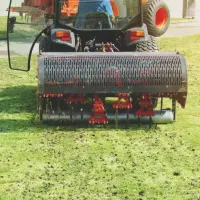
Every homeowner dreams of a lush, green yard, but in Pennsylvania, soil conditions and seasonal weather can make that difficult to achieve. One of the most effective ways to improve your turf is through aeration.

These numbers aren’t random—they’re a vital code that tells you exactly what nutrients your lawn will receive. Understanding these numbers can help you make better decisions for your lawn’s health, whether you’re caring for a cool-season lawn in the Tri-County Area of Northern Pittsburgh or tending to turf elsewhere in the country.
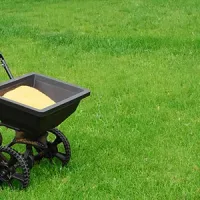
In the Tri-County Area of Northern Pittsburgh, our climate brings four distinct seasons, and that means your lawn has specific growth patterns and seasonal needs. Fertilizing at the right times, aligned with your grass’s natural growth cycles, can make the difference between a dull, patchy yard and a vibrant, healthy one.
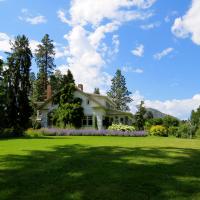
Whether you're establishing a brand-new lawn, repairing patchy areas, or overseeding for thicker turf, understanding your grass seed options is the key to success. This guide breaks down the best grass seed types for the Northern Pittsburgh area and how to choose the right blend for your lawn's conditions.
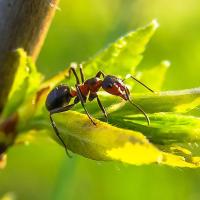
For homeowners in the Greater Tri-County Area and Northern Pittsburgh, it’s important to take action quickly to prevent ants from turning your peaceful yard into their home. Here’s a detailed, step-by-step guide on how to get rid of ants in your yard on your own using simple, practical solutions.