
What is Hydroseeding?
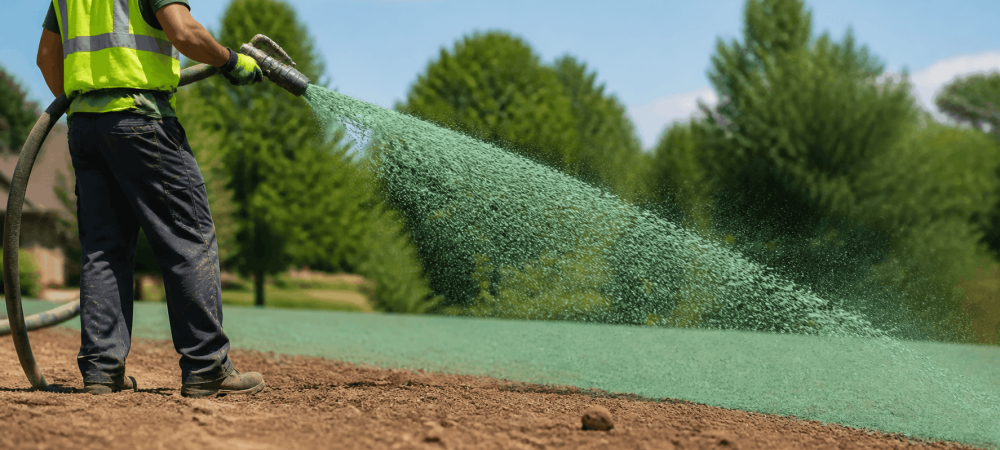
Establishing a new lawn takes more than spreading grass seed and hoping it grows evenly. Hydroseeding offers another way to start a lawn by applying grass seed, water, mulch, and other materials together in a single mixture.
This method can help create consistent coverage while giving newly planted seed added protection as it begins to germinate and establish.
Understanding the Hydroseeding Process
Hydroseeding is a lawn establishment method that sprays a blended mixture over prepared soil. A typical hydroseeding mixture may include:
- Grass seed
- Water
- Mulch
- Fertilizer
- Soil amendments, depending on the lawn
Specialized equipment combines these materials into a slurry and sprays it evenly across the ground.
One of the biggest differences between hydroseeding and traditional seeding is the mulch. It helps retain moisture around the seed, supports seed-to-soil contact, and can reduce the chance of seed being displaced by wind or water.
Hydroseeding is commonly used for new lawns, larger bare areas, slopes, and properties where spreading seed evenly by hand may be difficult. It does not create an instant lawn like sod, but proper watering and care can help the grass establish successfully.
Is Hydroseeding Safe?
Hydroseeding is generally considered safe when the products are selected and applied properly. Most mixtures primarily contain grass seed, water, mulch, and fertilizer similar to materials used when establishing a lawn through traditional seeding.
After application, it is usually best to limit traffic across the treated area. Keeping people and pets off newly seeded areas helps prevent the mixture and developing grass from being disturbed.
Because hydroseeding mixtures can vary, homeowners can also ask their provider what fertilizers, soil amendments, or other products will be included before application.
How Does Hydroseeding Work?
The hydroseeding process begins with preparing the soil, so the seed has a suitable surface for germination. Existing debris, weeds, rocks, or unwanted vegetation may need to be removed, and the soil may be graded or loosened before the mixture is applied.
Once the area is ready, grass seed, water, mulch, fertilizer, and any other selected materials are mixed inside hydroseeding equipment. The slurry is then sprayed evenly over the prepared soil.
After application, the mulch helps hold moisture near the seed while the grass begins to germinate. Regular watering is especially important during this stage because newly planted grass seed needs consistent moisture to develop.
As the grass grows, the mulch gradually breaks down while the developing root system becomes established in the soil.
What Are the Benefits of Hydroseeding?
Hydroseeding combines several parts of the lawn-seeding process into a single application. This can make it especially useful when establishing grass across a large or difficult-to-seed area.
Some of the main benefits of hydroseeding include:
- More even seed coverage: Specialized equipment can distribute the mixture consistently across prepared soil
- Improved moisture retention: Mulch helps keep moisture near the seed during germination
- Better seed-to-soil contact: The slurry helps keep grass seed in contact with the ground
- Reduced seed movement: Mulch can help limit seed displacement from wind or water
- Flexible grass selection: Seed blends can be chosen based on the needs of the property
- Efficient application: Large areas and slopes can often be covered more easily than with hand seeding
Hydroseeding can create favorable conditions for germination, but results still depend on proper soil preparation and care after application. Consistent watering and ongoing lawn maintenance remain important as the new grass develops.
Hydroseeding vs. Seeding
Hydroseeding and traditional seeding both establish a lawn from grass seed. The main difference is how that seed is applied.
With traditional seeding, dry grass seed is spread across prepared soil. Fertilizer, straw, or other materials may then be applied separately.
Hydroseeding combines seed, water, mulch, and other materials into one mixture and sprays everything across the soil at the same time. The mulch also creates an immediate covering that helps retain moisture around the seed.
Traditional seeding can work well for smaller areas, lawn repairs, or homeowners who want a straightforward way to plant grass. Hydroseeding may be better suited for larger properties, slopes, or areas where achieving consistent coverage is more difficult.
Neither option eliminates the need for proper lawn care. Soil preparation, watering, mowing, and ongoing maintenance all influence how successfully a new lawn becomes established.
How Long Does Hydroseeding Take to Grow?
The amount of time hydroseed takes to germinate depends on several factors, including the type of grass seed used, temperature, soil conditions, and how consistently the area is watered.
Some grass varieties may begin showing early growth relatively quickly, while others take longer to germinate. Initial sprouts also do not mean the lawn is fully established. The grass still needs time to develop stronger roots and fill in across the property.
Homeowners should expect a newly hydroseeded lawn to develop gradually rather than all at once. Different areas may also germinate at slightly different rates depending on sunlight, drainage, and moisture levels.
Following the recommended watering and care schedule gives the seed the best opportunity to germinate evenly and continue developing.
How to Care for a Hydroseeded Lawn
Proper care after hydroseeding is an important part of establishing healthy grass. The newly applied seed needs consistent conditions while it germinates and begins developing roots.
Early care typically includes:
- Watering according to the recommended schedule
- Keeping the surface consistently moist without creating standing water
- Limiting foot traffic on newly seeded areas
- Waiting until the grass is ready before mowing
- Following any fertilizer or lawn care recommendations provided after application
Watering is especially important during the early stages. Allowing the surface to dry out repeatedly can interfere with germination, while excessive watering may wash away seed or create overly saturated soil.
Once the grass has grown enough to mow, mowing at the appropriate height can help support continued development. Homeowners should follow recommendations for their specific grass variety rather than mowing too early.
When Is the Best Time to Hydroseed?
The best time to hydroseed generally depends on the grass variety and local growing conditions. Grass seed establishes most successfully when temperatures, soil moisture, and seasonal conditions support active growth.
For many cool-season grasses, spring and early fall can provide favorable growing conditions. Warm-season varieties may perform better when soil temperatures are consistently warmer.
Timing also affects how much watering a newly hydroseeded lawn may require. Hot, dry conditions can cause the surface to lose moisture quickly, while excessively cold temperatures can slow germination and growth.
A lawn care professional can help determine the appropriate timing based on the grass being planted and conditions in the area. Choosing the right season can make it easier to maintain consistent moisture and give new grass more time to establish.