
Does My Lawn Need Lime?
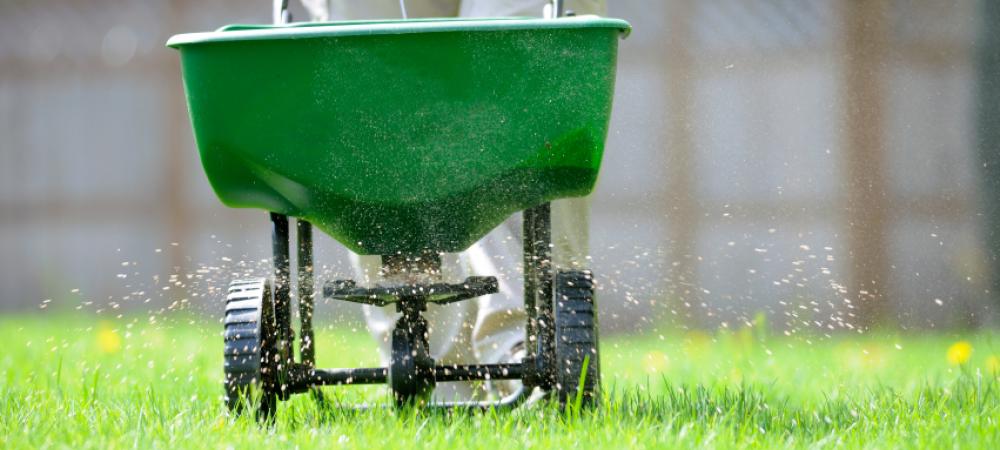
Your lawn may need lime if the soil is too acidic for healthy grass growth, but appearance alone cannot confirm it. A soil test is the best way to determine whether lime is necessary and how much should be applied.
Lime raises soil pH, helping bring acidic soil into a range where turfgrass can more effectively access nutrients. Penn State recommends applying limestone only when soil test results show that it is needed.
Key Facts
Lime is not a fertilizer and does not directly make grass greener. Its main purpose is to reduce soil acidity and raise pH when the soil is below the preferred range for the grass growing there.
The key points are:
- Most cool-season turfgrasses prefer soil pH around 6.0 to 7.2
- Kentucky bluegrass generally performs best around 6.5 to 7.2
- Lime should only be applied when testing shows soil pH is too low
- A soil test can also recommend how much lime the lawn needs
- Adding lime when it is not needed can raise pH too far
Penn State notes that different turf species tolerate slightly different pH ranges, which is another reason a soil test is more useful than guessing based on appearance.
What Does Lime Do for a Lawn?
Lime raises soil pH when the soil is too acidic. This can create better growing conditions for turfgrass and improve the availability of certain nutrients already present in the soil.
When soil becomes excessively acidic, grass may have trouble accessing nutrients efficiently even if those nutrients are available. Correcting the pH can help create a more favorable root-zone environment.
Most lawn lime is made from limestone containing calcium carbonate. Dolomitic limestone also contains magnesium and may be recommended when testing shows both low pH and low magnesium levels.
What Are the Signs a Lawn May Need Lime?
There is no single visual symptom that proves a lawn needs lime. Acidic soil can contribute to poor turf performance, but many of the same symptoms can also come from watering problems, compaction, nutrient deficiencies, disease, or other lawn issues.
Possible signs worth investigating include:
- Thin or weak grass
- Slow lawn growth
- Recurring yellowing
- Poor response to fertilizer
- Increased weed growth
- Difficulty establishing healthy turf
These signs should be treated as reasons to test the soil rather than reasons to automatically apply lime.
What Is the Best pH for a Lawn?
Most cool-season lawn grasses grow best when soil pH is roughly between 6.0 and 7.2. The ideal range can vary somewhat depending on the grass species.
- Kentucky bluegrass: About 6.5 to 7.2
- Tall fescue: More tolerant of slightly acidic soil
- Fine fescues: More tolerant of pH around 6.0 to 6.5
- Perennial ryegrass: Also tolerates somewhat more acidic conditions than Kentucky bluegrass
Keeping soil within an appropriate range helps create better conditions for turfgrass growth and nutrient availability.
How Do You Know if Your Lawn Needs Lime?
A soil test is the most reliable way to know whether your lawn needs lime. It measures soil pH and can determine whether the acidity level needs to be corrected.
A professional or university laboratory test can also provide a lime recommendation based on the soil's acidity, rather than simply reporting the pH number. Penn State's soil testing program measures pH and exchangeable acidity and provides lime recommendations when needed.
Testing is especially useful if:
- The lawn has recurring problems despite regular maintenance
- You are planning to establish or renovate turf
- Lime has not been applied based on testing in several years
- You are unsure whether poor grass growth is caused by nutrients or soil pH
Home pH kits may provide a general indication of acidity, but they typically do not provide the detailed lime requirement needed to determine an appropriate application amount.
Can You Put Too Much Lime on a Lawn?
Yes, applying too much lime can raise soil pH beyond the range preferred by turfgrass. When the soil becomes too alkaline, certain nutrients can become less available to grass, creating a different set of growing problems.
That is why adding lime every year as a routine lawn treatment is not necessarily beneficial. The amount needed depends on the existing soil conditions and should be guided by a soil test.
More lime does not mean a healthier lawn.
When Is the Best Time to Apply Lime?
Lime can be applied when a soil test shows that it is needed, but fall is often a good time for lawn applications. Rain, snow, and normal freezing and thawing during winter can help move limestone into the soil over time.
Penn State identifies fall as a preferred time for liming turfgrass, with late winter also being a suitable option.
Unlike quick lawn treatments, lime does not correct soil pH immediately. It reacts gradually with the soil, so results should be viewed as part of long-term soil management rather than an overnight change.
Is Lime the Same as Fertilizer?
Lime and fertilizer serve different purposes. Lime adjusts soil pH, while fertilizer supplies nutrients such as nitrogen, phosphorus, and potassium.
A lawn can need:
- Lime but not additional fertilizer
- Fertilizer but no lime
- Both lime and fertilizer
- Neither
Soil testing helps separate these needs. Applying fertilizer when the real issue is soil acidity—or adding lime when pH is already appropriate—may not solve the lawn problem.
Should You Lime Your Lawn Without a Soil Test?
Lime should not be applied simply because the lawn looks weak, yellow, or thin. Those symptoms can have many causes, and applying unnecessary lime can create an improper soil pH.
A soil test provides a much clearer answer by showing:
- Current soil pH
- Whether lime is actually necessary
- How much lime should be applied
- Other nutrient conditions that may affect grass growth
If testing shows the soil is already within the appropriate range, the lawn problem is likely coming from something other than acidity.
Healthy Soil Starts With Knowing What It Needs
Lime can be beneficial when acidic soil is limiting turfgrass growth, but it is not a universal solution for lawn problems. The best approach is to test first, correct pH only when necessary, and combine soil management with proper mowing, watering, fertilization, and other lawn-care practices.
Understanding what is happening below the surface makes it easier to address the actual cause of poor lawn performance instead of treating symptoms with products the grass may not need.