
Common Lawn Weeds in Pennsylvania
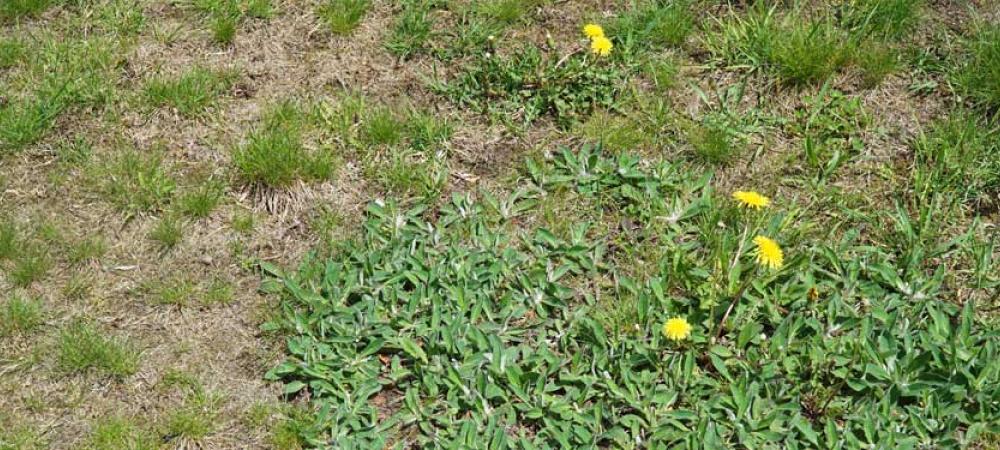
Common lawn weeds in Pennsylvania include crabgrass, yellow nutsedge, dandelions, chickweed, wild violet, nimblewill, and goosegrass. Each grows differently and responds to different control methods, so knowing what is actually growing in your lawn can help you choose the right next step.
Common Pennsylvania Lawn Weeds at a Glance
The easiest way to narrow down a weed is to first look at its overall shape and growth habit.
Some of the most common weeds found in Pennsylvania lawns include:
- Crabgrass: Coarse, spreading grass that becomes noticeable in summer
- Yellow nutsedge: Fast-growing, yellow-green plant with triangular stems
- Dandelion: Broadleaf weed with yellow flowers and deeply toothed leaves
- Chickweed: Low-growing weed with small leaves and tiny white flowers
- Wild violet: Perennial weed with heart-shaped leaves and purple or blue flowers
- Nimblewill: Fine-textured grassy weed that forms patches in lawns
- Goosegrass: Low-growing summer grass with a flattened, pale center
Crabgrass
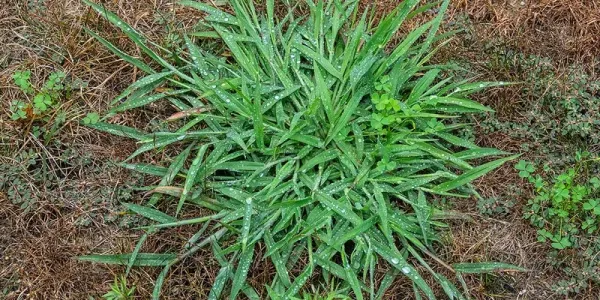
Crabgrass is a coarse summer annual grass that spreads outward and often appears in thin or stressed areas of the lawn. It usually becomes most noticeable during warm weather.
Crabgrass often has:
- Wide, light-green blades
- A spreading growth habit
- Coarser texture than surrounding turf
- Stems that grow close to the ground
The plants die when colder weather arrives, but they can leave behind seed that contributes to new growth the following year.
Yellow Nutsedge
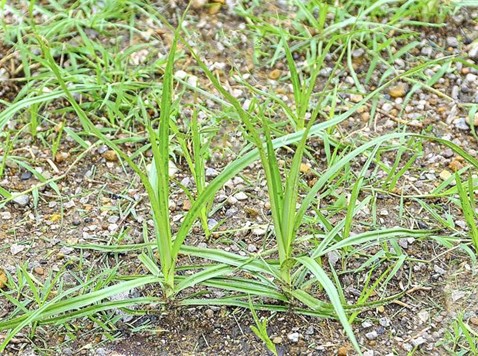
Yellow nutsedge is a sedge rather than a true grass and usually grows faster than the surrounding lawn. Its bright yellow-green color makes it especially easy to spot shortly after mowing.
One of the best ways to identify yellow nutsedge is by its triangular stem. It may also have upright growth and narrow leaves that stand above nearby turf.
Because yellow nutsedge spreads through underground tubers, pulling the visible plant does not always remove the entire problem.
Dandelions
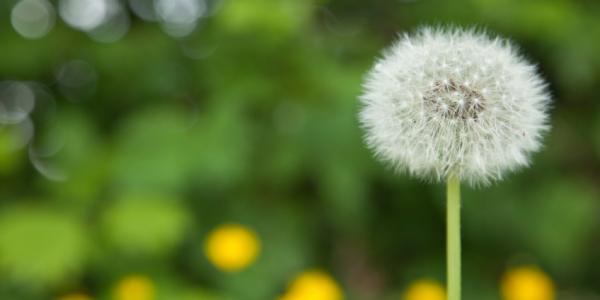
Dandelions are perennial broadleaf weeds that are easy to recognize by their yellow flowers and white seedheads. They grow from a deep taproot and can return if enough of the root remains in the soil.
Typical features include:
- Bright yellow flowers
- Deeply toothed leaves
- Low rosette growth
- Round white seedheads
Dandelions can survive for multiple growing seasons, which is why established plants may keep returning in the same areas.
Common Chickweed
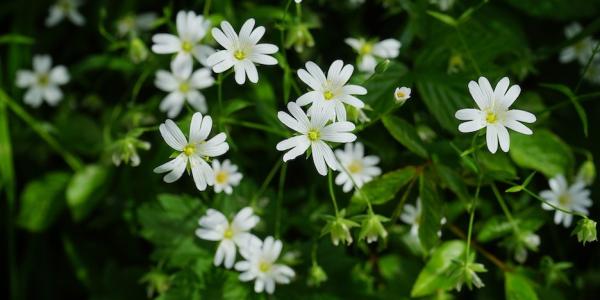
Common chickweed is a low-growing broadleaf weed that often forms dense mats in thin turf. It is especially common during cooler parts of the growing season.
Chickweed typically has small oval leaves, thin stems, and tiny white flowers. Its sprawling growth habit allows it to fill open spaces quickly when grass is weak or sparse.
Wild Violet
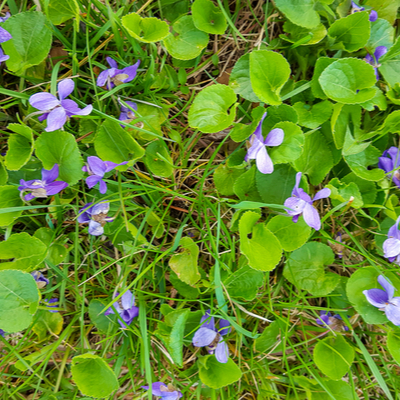
Wild violet is a low-growing perennial weed with heart-shaped leaves and small purple, blue, or sometimes white flowers. It often becomes established in shaded or moist parts of a lawn.
Unlike annual weeds, wild violet can persist from year to year. It can also spread underground, which makes established patches harder to eliminate.
Nimblewill
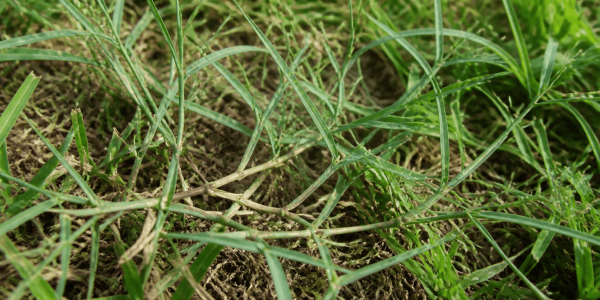
Nimblewill is a warm-season perennial grass that forms patches within cool-season lawns. It has a fine texture and may blend into the surrounding grass during summer.
The biggest clue often comes later in the year. Nimblewill tends to turn straw-colored or brown earlier than cool-season turf, which makes its patches stand out in fall and spring.
Goosegrass
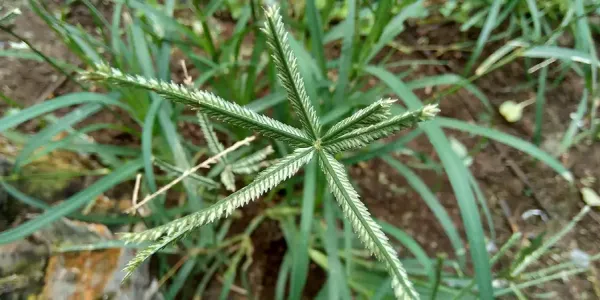
Goosegrass is a summer annual grass that commonly appears in compacted or heavily used areas. Its flattened growth habit and pale center help separate it from crabgrass.
Look for:
- Coarse grass blades
- A low, spreading shape
- A whitish or silvery center
- Growth near paths, edges, or high-traffic areas
Its presence can sometimes point to soil compaction or repeated foot traffic.
Why Do Weeds Grow in Lawns?
Weeds usually become established where desirable grass is thin or stressed. Bare soil and weak turf create openings that allow weed seeds to germinate and spread.
Conditions that can encourage weeds include:
- Soil compaction
- Thin or bare grass
- Improper mowing
- Inconsistent watering
- Poor drainage
- Nutrient or soil pH problems
Different weeds may also favor different conditions. Goosegrass often tolerates compacted areas, while wild violet is commonly associated with shaded or moist spots.
How to Prevent Lawn Weeds
The best long-term defense against weeds is a dense, healthy lawn that leaves less room for unwanted plants to establish. Weed control works best when the underlying lawn conditions are improved at the same time.
Helpful practices include:
- Mowing at the proper height
- Avoiding scalping
- Watering deeply and consistently
- Aerating compacted areas
- Reseeding thin or bare spots
- Fertilizing based on lawn needs
- Correcting soil pH when testing shows it is necessary
Identifying the weed first is still important. Crabgrass, yellow nutsedge, broadleaf weeds, and perennial grassy weeds do not all respond to the same treatments or timing. If you're dealing with any of these weeds in your yard, contact our experts today! We craft customized care for your lawn that will remove weeds from your lawn and keep them from returning.