
What Attracts Mosquitoes to Your Lawn?
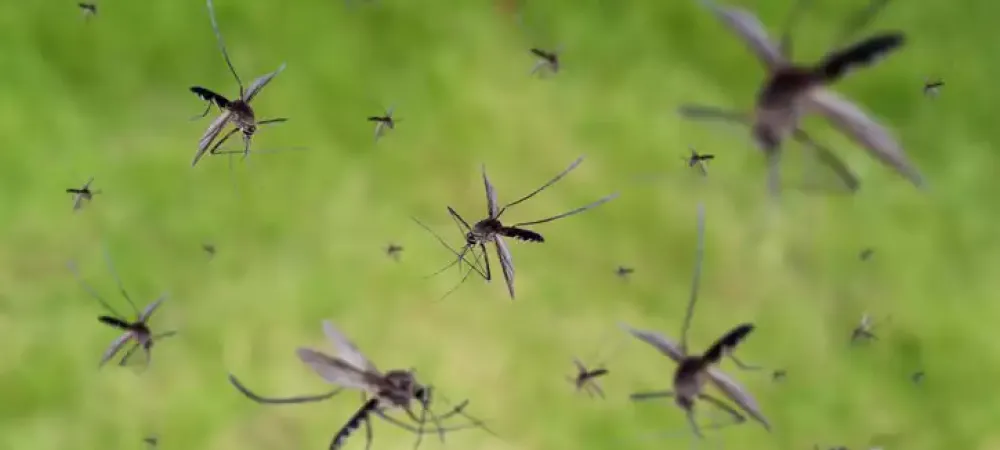
A few mosquitoes around the yard may not seem unusual, but some properties provide particularly favorable conditions for them. Water, shade, vegetation, and sheltered areas can all contribute to increased mosquito activity around lawns, patios, gardens, and other outdoor spaces.
Understanding what attracts mosquitoes can help homeowners identify problem areas and make practical changes around the property.
Standing Water
Standing water is one of the most important factors that can attract mosquitoes to a yard. Female mosquitoes lay their eggs in or near water, and some species can develop in surprisingly small amounts.
Common sources of standing water include:
- Bird baths
- Plant saucers
- Buckets and containers
- Children's toys
- Wheelbarrows
- Tarps
- Clogged gutters
- Uncovered trash cans
- Pet water bowls
- Low areas that collect rainwater
Some of these water sources are easy to overlook because they may only hold a small amount after rain. Regularly checking the yard and emptying unnecessary standing water can help reduce potential mosquito breeding sites.
Water that needs to remain outdoors, such as a bird bath, should be refreshed regularly rather than allowed to sit undisturbed for long periods.
Dense Vegetation and Shaded Areas
Mosquitoes do not spend all of their time flying around looking for a meal. During hot or sunny parts of the day, they often rest in cooler, shaded areas where they are protected from direct sunlight and wind.
Dense shrubs, tall grass, weeds, groundcover, and overgrown landscaping can provide these sheltered resting areas. Vegetation close to patios, decks, play areas, and entrances may make mosquito activity particularly noticeable where people spend time outside.
Routine mowing, trimming overgrown shrubs, and managing excessive vegetation can reduce some of these protected areas. This does not eliminate mosquitoes entirely, but it can make parts of the property less favorable for them.
Clogged Gutters
Gutters can become an easily missed source of mosquito activity. Leaves, twigs, and other debris can prevent water from draining properly, leaving small pools behind after rain.
Because gutters are above eye level, homeowners may not notice that water is sitting inside them. Keeping gutters clear and making sure downspouts drain properly can help eliminate one potential breeding area around the home.
It is also worth checking areas near downspouts. Poor drainage can cause water to collect near the foundation or in low sections of the lawn.
Yard Drainage Problems
Lawns with poor drainage may hold water long enough to create favorable conditions for mosquitoes. Low spots, compacted soil, and areas where water consistently pools after rainfall deserve particular attention.
Not every wet area will become a mosquito breeding site, especially when water drains quickly. The greater concern is water that remains stagnant for extended periods.
Addressing drainage problems may involve correcting low areas, improving soil conditions, adjusting irrigation, or changing where water is directed around the property.
Overwatering the Lawn
Regular watering is important for maintaining grass and landscaping, but excessive irrigation can leave portions of the property consistently wet.
Sprinklers that run too long or water areas that already drain poorly can contribute to puddles around lawns, planting beds, sidewalks, and hardscaping. Irrigation systems should provide enough water for the landscape without repeatedly leaving standing water behind.
Checking the property after watering can reveal spots where irrigation schedules or sprinkler coverage may need to be adjusted.
Outdoor Containers and Yard Items
Almost anything capable of holding rainwater can become a potential mosquito breeding site. This is why mosquito problems are not limited to homes with ponds, pools, or obvious water features.
Items such as toys, unused flowerpots, buckets, watering cans, tarps, and lawn equipment can collect water after a storm. Even objects that appear dry most of the time may repeatedly fill with rainwater.
Storing containers upside down or under cover can help prevent water from accumulating. A quick yard check after heavy rainfall can also make it easier to catch these smaller water sources before they remain stagnant.
Bird Baths and Water Features
Bird baths and decorative water features can be attractive additions to a landscape, but stagnant water can also provide mosquitoes with a place to reproduce.
Homeowners do not necessarily need to remove these features. Instead, the focus should be on keeping the water moving, maintaining the feature properly, or replacing the water regularly.
Swimming pools are generally less attractive to mosquitoes when they are properly maintained and circulated. Problems are more likely to develop around neglected pools, pool covers, or nearby objects that collect stagnant water.
Organic Debris and Moist Areas
Leaves, grass clippings, and other organic material can trap moisture and create shaded conditions close to the ground. Large piles of damp debris may provide mosquitoes with additional places to rest.
Keeping leaves and other debris from accumulating around the property can improve airflow and reduce some of these damp, sheltered areas.
This can be especially useful around landscaping beds, fences, decks, sheds, and other locations that already receive limited sunlight.
Why Are Mosquitoes Worse in Some Yards?
Two neighboring properties can experience very different levels of mosquito activity. Differences in drainage, landscaping, tree cover, standing water, and surrounding vegetation can all affect how attractive a yard is to mosquitoes.
Conditions outside the property can matter as well. Nearby wooded areas, wetlands, drainage areas, and neighboring properties can contribute to mosquito populations even when a homeowner is maintaining their own yard carefully.
That is why eliminating a single source of standing water does not always solve the entire problem. Mosquito management often works best when homeowners address several contributing conditions throughout the property.
How to Make Your Yard Less Attractive to Mosquitoes
Reducing mosquito-friendly conditions starts with removing unnecessary water and limiting sheltered resting areas.
Homeowners can:
- Empty containers that collect rainwater
- Refresh water in bird baths regularly
- Clean leaves and debris from gutters
- Correct areas where water frequently pools
- Avoid excessive lawn watering
- Keep grass maintained
- Trim dense or overgrown vegetation
- Remove unnecessary yard debris
- Check patios, decks, and play areas for hidden water sources
These steps can help reduce conditions mosquitoes rely on, but they may not completely prevent mosquito activity. Mosquitoes can travel between properties, and some yards contain more suitable habitat than homeowners can reasonably remove.
Regular property maintenance combined with professional mosquito control can provide a more comprehensive approach when mosquito activity continues to interfere with time spent outdoors.