
Why Is My Grass Turning Yellow? Common Causes and What to Do
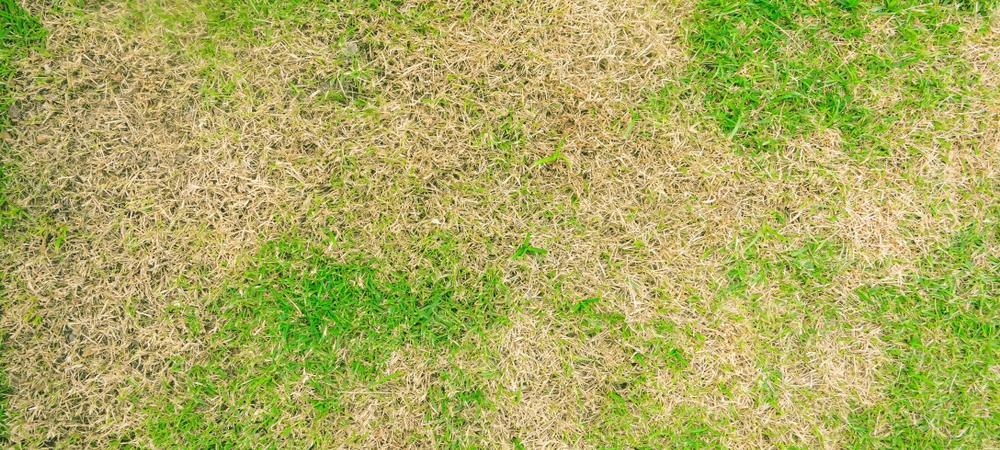
Yellow grass is usually a sign that your lawn is under stress, but the cause can vary widely. Watering issues, nutrient deficiencies, disease, pests, soil conditions, mowing habits, and shade can all affect lawn color, which is why the pattern and location of the yellowing are important clues.
What You Should Know
Grass usually turns yellow because it is not getting the right balance of water, nutrients, sunlight, or healthy growing conditions. Some yellowing is temporary and can improve with a simple lawn care adjustment, while other cases may point to disease, pest activity, compacted soil, or another underlying issue.
A few clues can help narrow down the cause:
- Yellowing across most of the lawn: Often linked to watering, nutrient, or soil issues
- Small yellow or brown patches: May indicate disease, pet damage, or localized stress
- Grass that pulls up easily: Can be a sign of root damage from grubs
- Yellowing after mowing: May point to cutting too short or dull mower blades
- Yellow grass in shaded areas: Often related to limited sunlight or excessive moisture
Looking at the pattern before treating the lawn can help avoid unnecessary fertilizer, watering, or pest applications.
Improper Watering
Too much or too little water can both cause grass to turn yellow. A lawn that is too dry may lose color and begin to wilt, while a lawn that stays too wet can develop shallow roots and reduced oxygen around the root system.
Signs of improper watering may include:
- Dry, brittle grass
- Soil that feels dry several inches below the surface
- Soft or soggy turf
- Standing water
- Yellowing in low areas
- Grass that stays wet long after irrigation or rainfall
Deep, less frequent watering is generally better than light daily watering because it encourages roots to grow deeper into the soil.
Nutrient Deficiencies
A lack of key nutrients can cause grass to become pale, yellow, or weak. Nitrogen is especially important because it supports leaf growth and chlorophyll production, which gives grass its green color.
Nutrient-related yellowing often appears more evenly across the lawn rather than in isolated spots. Other signs may include:
- Slow growth
- Thin turf
- Pale green or yellow grass
- Reduced recovery after mowing or stress
- Increased weed growth
Because several nutrient deficiencies can produce similar symptoms, applying more fertilizer without understanding the problem is not always the best solution. A soil test can provide a clearer picture of nutrient levels and help determine what the lawn actually needs.
Soil pH Problems
Grass can turn yellow when the soil pH makes nutrients harder for the roots to absorb. Even when nutrients are present in the soil, the lawn may struggle to use them efficiently if the pH is outside the preferred range.
Possible signs of a soil pH problem include:
- Recurring yellowing
- Thin or weak turf
- Poor response to fertilizer
- Increased weed growth
- Areas that struggle despite regular lawn care
Yellow grass does not automatically mean a lawn needs lime. Soil testing is the best way to determine whether pH is contributing to the problem and whether an amendment is necessary.
Lawn Disease
Lawn diseases can cause yellow patches, rings, or irregular areas of discoloration. Fungal diseases are more likely to develop when moisture, temperature, mowing practices, and other conditions create a favorable environment.
Depending on the disease, you may notice:
- Yellow, tan, or brown patches
- Circular or irregular spots
- Red, white, gray, or brown growth on grass blades
- Areas that continue spreading
- Grass that looks matted or unusually thin
Not every yellow patch is caused by fungus. Drought stress, insects, pet damage, and nutrient problems can look similar, so the pattern and surrounding conditions should be considered before applying a treatment.
Compacted Soil
Compacted soil can make grass turn yellow by restricting the movement of air, water, and nutrients to the roots. Compaction often develops in areas with heavy foot traffic, frequent equipment use, or naturally dense soil.
Common signs of compacted soil include:
- Thin or weak grass
- Water pooling after rainfall
- Hard soil
- Bare or worn areas
- Poor grass growth despite regular watering
- Yellowing in heavily used parts of the lawn
Core aeration can help relieve compaction by removing small plugs of soil and creating more space for air, water, and nutrients to move through the root zone.
Mowing Problems
Cutting grass too short or mowing with dull blades can cause yellowing and weaken the lawn. Removing too much of the grass blade at once limits the plant's ability to produce energy and can leave it more vulnerable to heat and moisture stress.
Watch for:
- Yellowing shortly after mowing
- Frayed or shredded blade tips
- Brown tips across the lawn
- Scalped areas
- Grass that looks stressed after each cut
Maintaining an appropriate mowing height and keeping mower blades sharp can reduce stress and help the lawn maintain more consistent color.
Pet Urine
Pet urine can create yellow or brown spots because it contains concentrated nitrogen and salts. While small amounts of nitrogen can benefit grass, too much in one area can damage plant tissue.
Pet-related damage often has a recognizable pattern:
- A yellow or brown center
- A darker green ring around the damaged area
- Repeated spots in the same part of the yard
- Damage concentrated where pets frequently use the lawn
Watering heavily used areas can help dilute the concentration of salts and nitrogen in the soil.
Grubs and Other Lawn Pests
Lawn pests can cause yellowing when they feed on grass roots or plant tissue. White grubs are one common example because they live below the soil surface and damage the root system.
Signs that insects may be contributing to yellow grass include:
- Irregular yellow or brown patches
- Grass that wilts despite adequate watering
- Turf that lifts or rolls back easily
- Thin or damaged roots
- Increased bird or animal activity in the lawn
Because pest damage can resemble drought or disease, checking the soil and root zone can help determine whether insects are actually present.
Shade and Poor Growing Conditions
Grass can become thin and yellow when it does not receive enough sunlight for the type of turf growing in the area. Shaded sections beneath trees, along buildings, or near dense landscaping may struggle even when the rest of the lawn looks healthy.
Shaded areas may experience:
- Thin grass
- Pale or yellow growth
- Longer periods of soil moisture
- Increased disease activity
- Bare patches
- Reduced turf density
Using more shade-tolerant grass varieties, improving airflow, and adjusting watering practices can help, but some locations may simply receive too little sunlight to support dense turf.
How to Figure Out Why Your Grass Is Yellow
The best way to identify the cause of yellow grass is to look at the pattern, recent lawn care, and growing conditions together. A single symptom usually is not enough to confirm the problem.
Start by checking:
- Where the yellowing appears: Entire lawn, isolated patches, edges, or shaded areas
- Soil moisture: Too dry, consistently wet, or normal
- Recent weather: Heavy rain, heat, drought, or sudden temperature changes
- Recent treatments: Fertilizer, herbicides, or other lawn products
- Mowing habits: Cutting height, blade sharpness, and mowing frequency
- Grass roots: Weak, damaged, or easy to pull up
- Grass blades: Spots, discoloration, unusual growth, or frayed tips
- Pet activity: Repeated damage in the same areas
A soil test can also help identify pH and nutrient problems that cannot be diagnosed accurately by appearance alone.
How to Help Yellow Grass Turn Green Again
Yellow grass can often recover once the source of stress is corrected, as long as the plants are still alive. The right approach depends on what caused the discoloration.
Depending on the issue, recovery may involve:
- Adjusting how often and how deeply the lawn is watered
- Correcting mowing height
- Sharpening mower blades
- Aerating compacted soil
- Applying nutrients based on soil test results
- Correcting soil pH when testing shows it is necessary
- Identifying and treating lawn disease
- Addressing grub or insect activity
- Improving conditions in shaded areas
Avoid trying several treatments at once. Adding fertilizer, increasing irrigation, and applying pest or disease products without a clear diagnosis can create additional stress and make the original problem harder to identify.
How to Prevent Yellow Grass
Preventing yellow grass starts with maintaining healthy growing conditions and addressing stress before it becomes severe. Consistent lawn care helps grass develop stronger roots and better tolerate changes in weather and growing conditions.
Good preventive practices include:
- Watering deeply and consistently
- Avoiding frequent shallow watering
- Mowing at the proper height
- Keeping mower blades sharp
- Fertilizing based on lawn needs
- Testing soil periodically
- Aerating compacted areas
- Watching for early signs of disease or pests
- Adjusting lawn care practices in heavily shaded areas
Changes in color are often one of the first signs that something is affecting the lawn. Paying attention to where and how yellowing develops can make it easier to identify the cause and correct it before larger areas are affected.